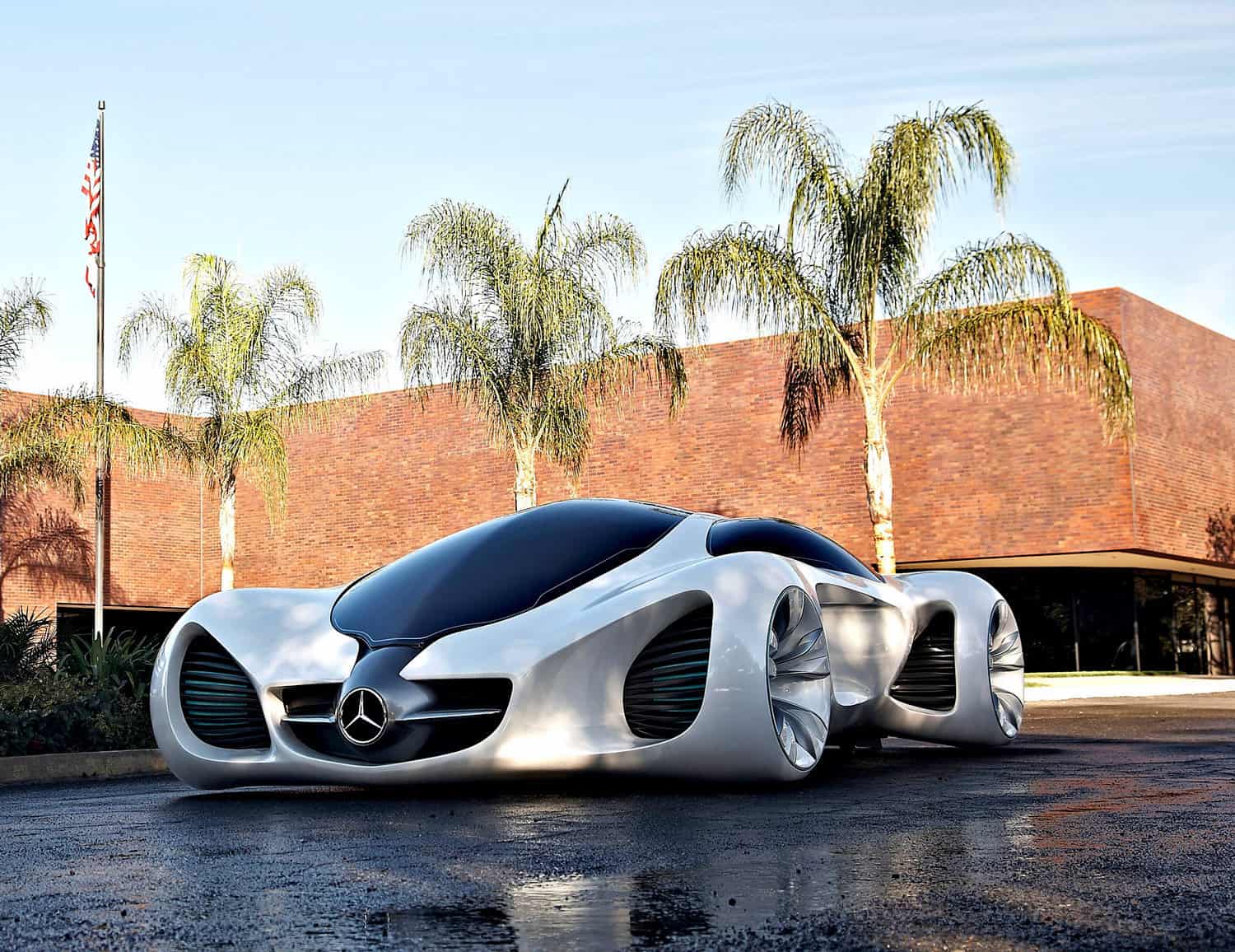
As we find ourselves at the dawn of a new age in the car industry, the anticipation surrounding future vehicles is tangible. Breakthroughs in tech and evolving consumer tastes are reshaping the market like never before. Electric cars are at the forefront, setting the stage for a future that promises cleaner, smarter, and more efficient modes of transportation. Whether you are a fan of sleek electric cars, practical vans, or adventurous campervans, the evolution of automotive technology is creating a vehicle for every lifestyle.
In this article, we will explore the most recent automotive developments, highlighting the major trends that are molding the market. From groundbreaking electric vehicle developments to the rise of supercars, we will offer perspectives on what car enthusiasts can anticipate in the future. Stay connected for news on the freshest automotive happenings, electric car evaluations, and the most recent innovations that are pushing the automotive sector ahead. The outlook is optimistic, and the innovations of today are paving the way for a transformation in our perception of mobility.
Future EV Automobiles
As the automotive industry transitions towards sustainability, future EV automobiles are set to transform mobility. With advancements in battery technology, manufacturers are focusing on boosting energy efficiency and lessening recharge durations. The breakthrough in next-gen batteries is particularly promising, as it offers significantly greater energy capacity and security compared to traditional Li-ion batteries. This development will empower electric vehicles to cover longer distances with quicker charging periods, making them more desirable to buyers.
In addition to battery advancements, the melding of AI and intelligent technology enables a smooth driving experience. Next-gen EV vehicles are anticipated to boast cutting-edge driver-assistance systems, which allow driverless functions. These improvements will not only enhance safety but also provide owners with more comfort, revolutionizing how we think about owning cars and transport. As manufacturers invest in research and development, the boundary between technology and automotive will remain to merge.
Furthermore, the rise of EV automobiles is causing transformations in manufacturing and supply chain processes. Car manufacturers are more devoting attention on eco-friendly methods, with a variety of companies dedicating to zero emissions by the year 2030 or the year 2040. This change is resulting in progress in how vehicles are manufactured, with increased attention on sustainable materials and sustainable manufacturing techniques. In MotorHype against global warming, the prospects of electric vehicles represents hope and a revolutionary path towards a eco-friendlier automotive landscape.
Innovations in Automotive Technology
The vehicle industry is witnessing a remarkable transformation driven by progress in tech. Electric vehicles are at the forefront, offering cleaner alternatives to traditional combustion engines. Manufacturers are investing heavily in battery systems, increasing performance and reducing charging times. This movement is essential in the evolution of electric car news, as drivers demand increasingly sustainable options with enhanced performance. Automakers are also exploring solid-state batteries, which promise to significantly enhance capacity and security in EVs.
Autonomous driving technology continues to advance and is becoming a focal point in automotive news. Leading manufacturers are collaborating with tech companies to develop sophisticated sensor systems and AI software that can make driving safer and more efficient. Features such as lane-keeping assistance and automatic emergency braking are becoming standard, paving the way for fully autonomous vehicles. This development not only reshapes the way we consider about but also raises questions about road systems and regulatory frameworks in the automotive industry.
Connected technology is another critical innovation impacting the automotive world. Modern vehicles are increasingly fitted with web access and smart technology, enabling immediate data sharing and vehicle-to-everything communication. This integration enhances the driving experience by combining navigation, media, and security features seamlessly. The rise of over-the-air updates means cars can evolve post-purchase, improving performance and adding features without requiring a visit to the dealership. As these technologies develop, they are reshaping the field of automotive manufacturing and creating exciting opportunities in the automotive industry.
Developments Transforming the Automotive Industry
The vehicle sector is currently facing a significant change powered by advancements in innovation and evolving customer demands. One of the most prominent movements is the growth of battery-powered vehicles, which are increasingly favored due to their green advantages and the growing availability of powering networks. This shift not only indicates a larger commitment to green practices but also pushes producers to advance in power solutions and efficient efficiency, making electric automobiles more attractive than ever.
Another critical development is the integration of connected technology into cars, which boosts safety, linkage, and customer experience. Capabilities such as cutting-edge driver-assistance technologies, infotainment systems, and vehicle linkage through cellular electronics are emerging as common in new car models. As customers expect more tech-savvy vehicles, vehicle producers are pouring resources heavily in vehicle advancements trends to stay in the game and satisfy these expectations.
Finally, the emphasis on autonomous transportation continues to gain momentum, with many organizations exploring the potential for self-driving systems to change how we think about mobility. This movement raises significant considerations regarding security, governance, and framework, leading to alliances between technology firms and legacy automotive producers. As this technology matures, it offers to reshape the vehicle industry, presenting promising opportunities for the next generation of mobility.